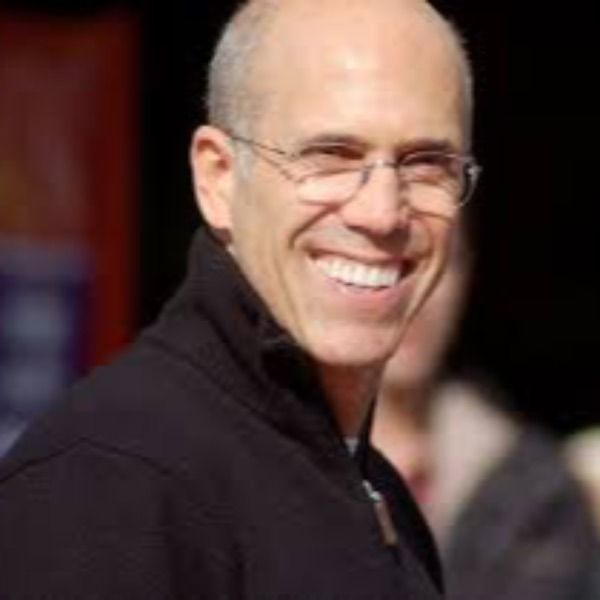
Jeffrey Katzenberg
NA, US
This industry boy wonder became chair of Walt Disney Studios at age 34.
This industry boy wonder became chair of Walt Disney Studios at age 34. Prior to that appointment, Katzenberg was Barry Diller's assistant at Paramount, and later rose through the corporate ranks in marketing and programming. Eventually he became president of production in 1982 and oversaw such Paramount releases as "48 Hours" (1982), "Flashdance" (1983), "Terms of Endearment" (1983) and "Beverly Hills Cop" (1984). In 1984, though, soon after Barry Diller moved to Fox and Michael Eisner relocated to Disney, Katzenberg followed suit and also departed. Katzenberg, Eisner and Disney president and CEO Frank Wells subsequently saw Disney through a notably successful period, broadening Disney's product into more adult fare ("The Color of Money" 1986, "Dead Poets Society" 1989, "What's Love Got to Do With It?" 1993) through the company's Touchstone and Hollywood Pictures. Katzenberg also had a hand in greenlighting a popular series of farces and other light entertainments with established if medium-boxoffice stars ("Ruthless People" 1986, "Green Card" 1990, "Cool Runnings" 1993). Disney revenues and overall value increased markedly during the 1980s and 90s, and such hugely popular animated features as "The Little Mermaid" (1989), "Beauty and the Beast" (1991) and "Aladdin" (1992) not only kept up the company's trademark genre but helped increase the appeal of its theme parks, resort and commercial tie-in products. After a notable run at Disney (and an infamous 28-page memo critical of the studio's operations which embarrassed many when it received unintentionally wide distribution in early 1991) Katzenberg, announced his resignation from the company during the summer of 1994. He cited new career opportunities as his reason for leaving; many industry insiders, however, believed that the real reason for his departure was his not receiving the COO position that was formerly held by the late Frank G. Wells. The news surprised most of Hollywood, with Katzenberg's resignation occurring a couple of months after the release of his most successful film at Disney, "The Lion King" (1994). In the fall of 1994 Katzenberg, along with Steven Spielberg and mogul David Geffen, announced the formation of DreamWorks SKG, a new studio that would produce features, TV and multimedia projects at a lower cost than the major studios.
This industry boy wonder became chair of Walt Disney Studios at age 34. Prior to that appointment, Katzenberg was Barry Diller's assistant at Paramount, and later rose through the corporate ranks in marketing and programming. Eventually he became president of production in 1982 and oversaw such Paramount releases as "48 Hours" (1982), "Flashdance" (1983), "Terms of Endearment" (1983) and "Beverly Hills Cop" (1984). In 1984, though, soon after Barry Diller moved to Fox and Michael Eisner relocated to Disney, Katzenberg followed suit and also departed. Katzenberg, Eisner and Disney president and CEO Frank Wells subsequently saw Disney through a notably successful period, broadening Disney's product into more adult fare ("The Color of Money" 1986, "Dead Poets Society" 1989, "What's Love Got to Do With It?" 1993) through the company's Touchstone and Hollywood Pictures. Katzenberg also had a hand in greenlighting a popular series of farces and other light entertainments with established if medium-boxoffice stars ("Ruthless People" 1986, "Green Card" 1990, "Cool Runnings" 1993). Disney revenues and overall value increased markedly during the 1980s and 90s, and such hugely popular animated features as "The Little Mermaid" (1989), "Beauty and the Beast" (1991) and "Aladdin" (1992) not only kept up the company's trademark genre but helped increase the appeal of its theme parks, resort and commercial tie-in products. After a notable run at Disney (and an infamous 28-page memo critical of the studio's operations which embarrassed many when it received unintentionally wide distribution in early 1991) Katzenberg, announced his resignation from the company during the summer of 1994. He cited new career opportunities as his reason for leaving; many industry insiders, however, believed that the real reason for his departure was his not receiving the COO position that was formerly held by the late Frank G. Wells. The news surprised most of Hollywood, with Katzenberg's resignation occurring a couple of months after the release of his most successful film at Disney, "The Lion King" (1994). In the fall of 1994 Katzenberg, along with Steven Spielberg and mogul David Geffen, announced the formation of DreamWorks SKG, a new studio that would produce features, TV and multimedia projects at a lower cost than the major studios.

2010